
Looking for something to take the edge off? Nervine herbs can work wonders for stress relief.
Nervines are a classification of herbs that calm the nervous system, and women have used them for thousands of years for support for a variety of symptoms and conditions related to stress.
Since the nervous system affects all of your body’s functions—whether directly or indirectly—the list of benefits from taking these herbs regularly is long.
Some benefits include:
- Increased stress resilience
- Decreased anxiety
- Improved sleep
- Improved digestion
- Relieve gas and bloating
- Reduced physical tension
And more!
Each herb has its own unique qualities and benefits.
Here are 3 of our favorite nervine herbs to support your nervous system and help you feel less stressed:
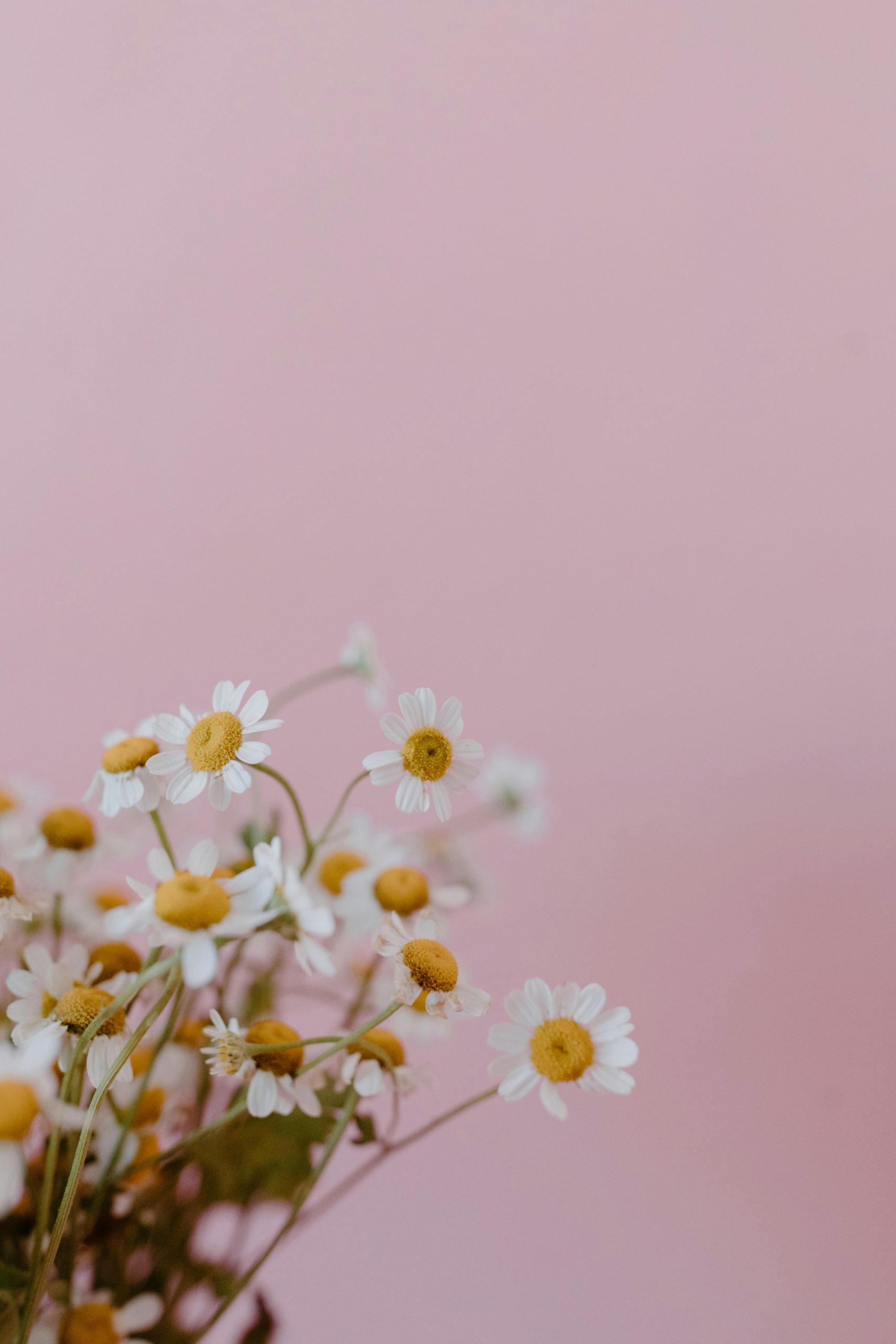
Chamomile
Aromatic, sweet like honey, and slightly bitter, chamomile decreases inflammation and is great for sensitive patients with an active sympathetic nervous system.
The herbalist Matthew Wood has described chamomile as the perfect herb for kids who whine a lot and cannot be comforted, but this applies to adults, too.
If you feel irritable, anxious, restless, hypersensitive, stubborn and argumentative, this might be the herb to use!
Chamomile is also great for people who are dealing with irritable bowel syndrome (IBS), especially if they have symptoms like indigestion, constipation, gas with pain, and/or gastric ulcers.
The best way to consume chamomile is to drink it as a tea throughout the day, especially when you’re feeling tense or your stomach is in knots, but tincture can be used, too.
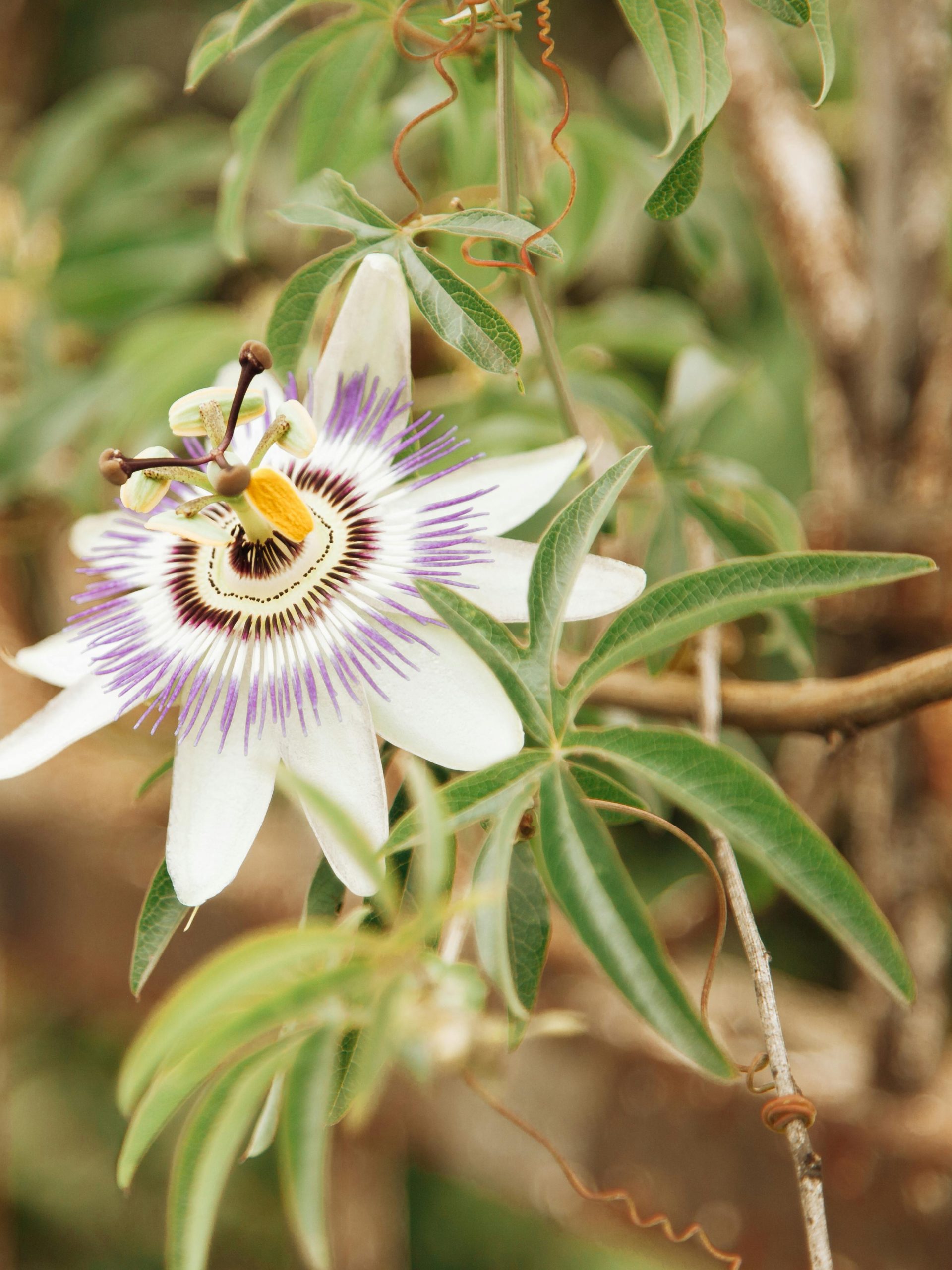
Passionflower
Often used in cases of insomnia, passionflower has been described as a grandmother lulling you to sleep, but it has wider benefits as well, especially for anxiety and nervousness.
If you ever experience heart palpitations, hypertension, and/or muscle spasms, this herb may help.
We usually recommend that our patients take passionflower tincture as needed throughout the day. If you’re struggling with insomnia, taking a few drops an hour before bed and at bedtime can help. It can also be taken in the middle of the night if you wake up and have trouble falling back to sleep.
Start with drop doses (just 2-5 drops) and monitor the effects. Most people feel better with smaller doses, but you can take up to 2 full droppers (about 60 drops) if needed.

Lavender
Bitter and aromatic, lavender is great for dispersing stagnation and restoring a more relaxed flow of energy in the body.
In her book, Herbal Medicine from the Heart of the Earth, Dr. Sharol Marie Tilgner recommends lavender specifically for headaches, muscle spasms, and nervousness.
It is also uplifting and can be helpful in cases of burnout, depression, and insomnia.
Though it can be taken internally as a tea or tincture, we usually recommend using a few drops of lavender essential oil on the temples and/or occiput, especially at the onset of a headache, and using it on pillowcases to help promote better sleep. Test a drop of the oil on your wrist before wider application, to make sure your skin doesn’t react.
We recommend these nervine herbs to many of our patients at The Embodied Wellness Studio, because they provide such an immediate calming effect.
And the benefits are even stronger when taken cumulatively over time, especially when combined with other therapies like acupuncture, bodywork, gut-focused nutrition, and medical qigong.
Interested?
Click here book a (free) consultation, and we’ll make a plan to get you the support your nervous system needs, so you can reduce the negative impacts of stress and improve your health, naturally.
We can’t wait so see where this takes you!
——
This, and all of our content, is to be used for educational purposes only, and does NOT constitute medical advice. These herbs are generally considered to be safe, but it’s always a good idea to check with your health care professional before starting a new regimen, especially if you are pregnant, nursing, on medication, or have a pre-existing condition.